

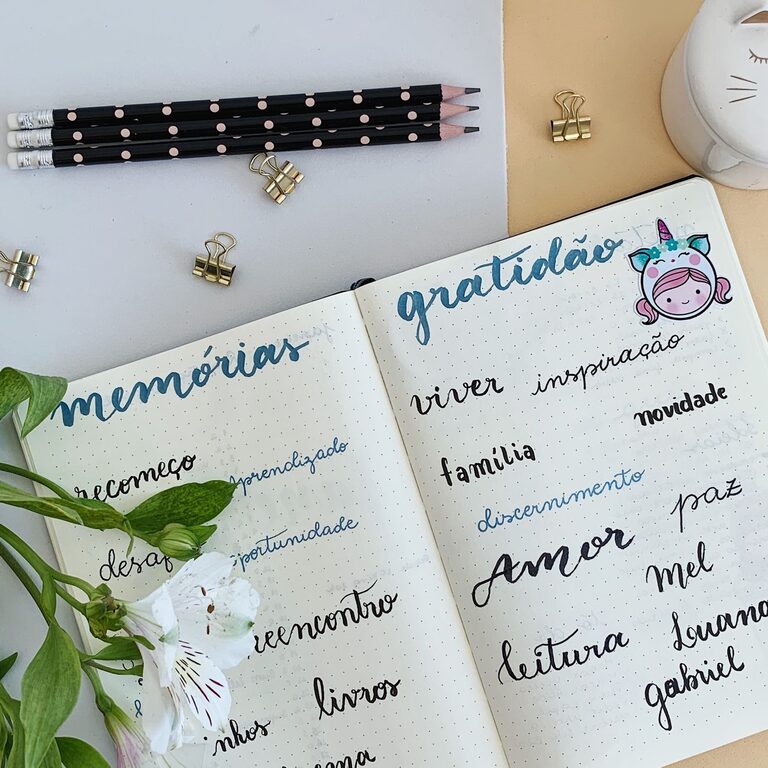
Starting a gratitude journal is a wonderful way to cultivate a more positive outlook and increase your overall happiness. By regularly noting what you’re thankful for, you train your mind to focus on the good in your life, which can boost mental wellness and reduce stress. If you’re new to this practice, this guide will walk you through everything you need to know to get started.
What Is a Gratitude Journal?
A gratitude journal is simply a personal notebook where you write down things you are grateful for. It can include anything from big moments, like a promotion at work, to small joys, like a warm cup of coffee in the morning. The goal is to reflect regularly on positive experiences and appreciate what you have.
Why Keep a Gratitude Journal?
Keeping a gratitude journal has multiple benefits:
– Improves mental wellbeing: Focusing on positive aspects helps reduce anxiety and depression.
– Enhances mindfulness: Writing daily encourages you to pay attention to the present moment.
– Builds resilience: During tough times, gratitude can help shift perspective and boost optimism.
– Promotes better sleep: Reflecting on positive events before bed can lead to more restful sleep.
What You Need to Start
Starting a gratitude journal doesn’t require any special tools. Here’s what you might want:
– A notebook or journal — choose one that feels comfortable to write in.
– A pen or pencil you enjoy using.
– Optional: a dedicated space and time for journaling to make it a consistent habit.
How to Start Your Gratitude Journal
Step 1: Choose Your Format
Decide whether you want to write by hand or use a digital app. Writing by hand can feel more personal and reflective. On the other hand, apps offer convenience and can include reminders.
Step 2: Set a Regular Time
Consistency helps make gratitude journaling a habit. Many people find it best to write either first thing in the morning or right before bed. Pick a time that fits well with your daily routine.
Step 3: Keep It Simple
Start with listing 3 to 5 things you’re grateful for each day. They don’t have to be big or profound—anything that made you smile or feel grateful counts. Examples include:
– The kindness of a friend
– A beautiful sunset
– A favorite meal
– A moment of laughter
Step 4: Use Prompts to Get Started
If you’re unsure what to write, here are some prompts:
– What made me smile today?
– Who am I thankful for and why?
– What is something good that happened recently?
– What is a simple pleasure I enjoyed today?
Step 5: Reflect on Why You’re Grateful
Beyond listing items, take a moment to think about why each one makes you feel grateful. This can deepen your appreciation and make your journaling more meaningful.
Step 6: Be Patient and Kind to Yourself
Gratitude journaling is a personal practice, so there’s no right or wrong way to do it. Some days you might write more, others less. The key is to keep going without judgment.
Tips to Keep Your Gratitude Journal Going
– Mix it up: Include gratitude for people, experiences, yourself, or anything that feels authentic to you.
– Add variety: Write lists, stories, or even draw pictures if that inspires you.
– Review your journal: Regularly reread past entries to remind yourself of the good things in life.
– Share your gratitude: Occasionally sharing your gratitude with others can strengthen relationships.
– Use it as a mindfulness tool: When feeling overwhelmed, flip through your journal to regain perspective.
Common Questions About Gratitude Journaling
How long should I write each day?
There’s no set time—some people write for 5 minutes, while others spend 15 or more. The goal is to be consistent rather than lengthy.
Do I have to write every day?
Daily journaling is beneficial but not mandatory. Aim for several times a week if daily feels overwhelming.
What if I can’t think of anything to be grateful for?
Start small. Even noticing a breath of fresh air or a moment of calm counts. Over time, you’ll find it easier to spot things to appreciate.
Conclusion
Starting a gratitude journal is a simple and effective way to bring more joy and mindfulness into your life. With just a few minutes each day, you can develop a habit that encourages positivity and helps you focus on what truly matters. Remember, the most important thing is to make the practice your own and enjoy the process of discovering gratitude in everyday moments. Happy journaling!