

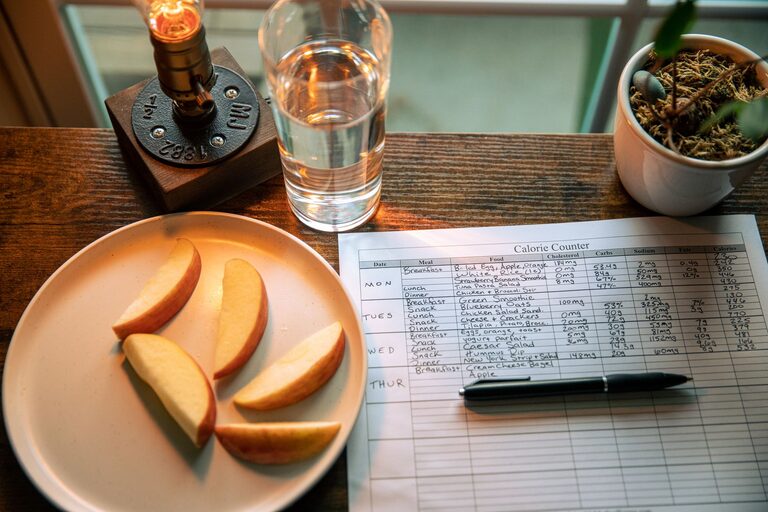
Planning balanced meals doesn’t have to be overwhelming or stressful. With a bit of guidance and a few smart habits, anyone can create nutritious, satisfying meals that support overall well-being. Whether you’re new to meal planning or looking to simplify your routine, this guide will help you design balanced meals without the hassle.
Why Balanced Meals Matter
A balanced meal includes a variety of nutrients from different food groups to provide energy and support bodily functions. It typically features:
– Proteins: Essential for muscle repair and immune health (e.g., lean meats, beans, tofu).
– Carbohydrates: Primary energy source (e.g., whole grains, fruits, vegetables).
– Fats: Important for brain function and hormone production (e.g., nuts, olive oil, avocados).
– Vitamins and minerals: Found in fruits, vegetables, and dairy.
– Fiber: Helps with digestion and maintaining steady blood sugar levels.
Eating balanced meals regularly can improve energy levels, support weight maintenance, and promote overall health.
Steps to Plan Balanced Meals Without Stress
1. Start with Simple Meal Templates
Creating a go-to formula for meals can ease decision fatigue. For example:
– Half your plate: non-starchy vegetables (like leafy greens, carrots, broccoli)
– One quarter: protein (like chicken, fish, legumes)
– One quarter: whole grains or starchy vegetables (like brown rice, quinoa, sweet potatoes)
– Add a small portion of healthy fats (olive oil, nuts)
Using these templates, you can mix and match ingredients without much planning.
2. Keep a Well-Stocked Pantry and Fridge
Having essential ingredients at hand reduces last-minute stress. Consider keeping:
– Whole grains (brown rice, oats, quinoa)
– Canned beans and lentils
– Frozen vegetables and fruits
– Nuts and seeds
– Lean proteins (chicken breast, eggs, tofu)
– Fresh produce for the week
– Herbs and spices for flavor
This ensures you have building blocks for balanced meals even on busy days.
3. Plan Meals Ahead of Time
Take 10 to 15 minutes once a week to draft a meal plan. Include breakfast, lunch, dinner, and snacks. Here are a few tips:
– Choose recipes you enjoy and can prepare easily
– Incorporate leftovers to save time
– Balance meals to have a variety of nutrients each day
– Prepare some ingredients in advance (chop veggies, cook grains)
Writing a plan reduces daily stress and grocery trips.
4. Use Simple Cooking Methods
Balanced meals don’t require complicated recipes. Try:
– Roasting a mix of vegetables with olive oil and herbs
– Stir-frying protein with veggies and a light sauce
– Salads topped with nuts, seeds, and grilled protein
– One-pot meals like soups or stews
These methods are quick, healthy, and versatile.
5. Listen to Your Body’s Needs
Meal planning should be flexible. Pay attention to hunger cues and preferences. It’s okay to:
– Adjust portion sizes based on activity and energy needs
– Swap ingredients according to availability and taste
– Include treats occasionally without guilt
Balance is about consistency over perfection.
Tips for Stress-Free Meal Planning
Batch Cooking and Meal Prep
Prepare larger quantities of grains, proteins, or roasted vegetables to use throughout the week. This saves time on busy days and minimizes cooking stress.
Use a Variety of Colorful Foods
Eating different-colored fruits and vegetables ensures a wide range of nutrients. Plus, colorful meals often look more appealing!
Focus on Whole, Minimally Processed Foods
Whole foods tend to be more nutritious and filling. Avoid relying heavily on processed meals, which can complicate planning and often lack balance.
Keep Recipes Simple and Repeat Favorites
You don’t need to reinvent the wheel every week. Having a collection of reliable, favorite meals makes planning easier and more enjoyable.
Keep a Meal Journal or App
Tracking what you eat can help balance your nutrient intake and avoid repetition or unhealthy choices.
Sample Balanced Meal Ideas
Here are easy ideas that follow the balanced meal approach:
– Breakfast: Greek yogurt with mixed berries, a sprinkle of granola, and a handful of almonds.
– Lunch: Quinoa salad with chickpeas, cucumber, cherry tomatoes, spinach, and olive oil dressing.
– Dinner: Baked salmon with roasted sweet potatoes and steamed broccoli.
– Snack: Apple slices with peanut butter or a small handful of trail mix.
In Summary
Planning balanced meals without stress is achievable with a few simple strategies. Using meal templates, stocking your kitchen smartly, planning ahead, and cooking simply make it easier to stick with healthy eating. Remember, flexibility and listening to your body are just as important as planning. With patience and practice, balanced meals will soon feel like second nature.
Happy meal planning!